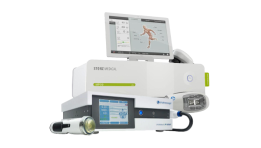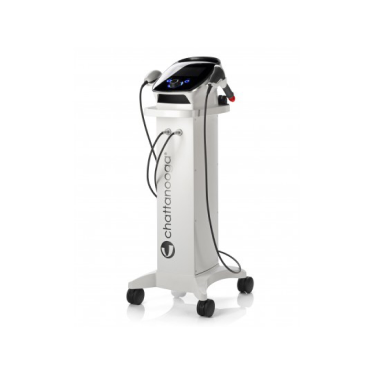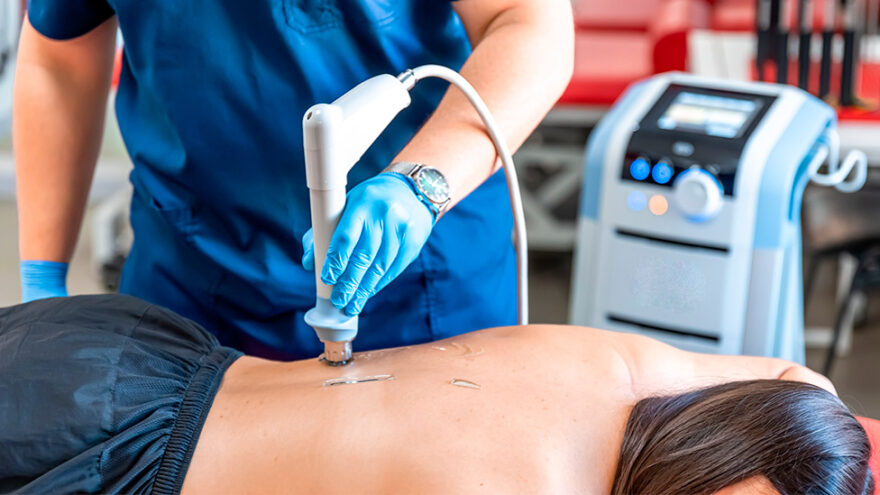
Extracorporeal Shockwave Therapy (ESWT) has moved well beyond its early use in urology and is now firmly established across orthopedics, sports medicine, rehabilitation, podiatry, and pain management. By delivering targeted acoustic energy to injured tissue, ESWT stimulates circulation, cellular repair, and biological healing, without surgery, injections, or medication. As treatment protocols mature and patient demand grows, expectations around precision, comfort, and outcomes continue to rise.
In 2026, choosing an ESWT system is no longer a basic equipment purchase. It is a strategic clinical and financial decision. The right machine influences how effectively you treat your most common conditions, how efficiently your team works, and how confidently you position your practice as a provider of advanced, evidence-based care. With treatment sessions typically lasting just 5–10 minutes, ESWT also plays a direct role in patient throughput and revenue optimization.
Before reviewing specific features, it is important to understand what is at stake when selecting an ESWT system:
- ESWT is used for conditions ranging from plantar fasciitis and Achilles tendinopathy to shoulder pain, chronic low back pain, and delayed bone healing
- Equipment selection determines whether you can treat superficial tissue, deep structures, or both
- Clinical outcomes are closely tied to energy delivery accuracy and protocol flexibility
- Long-term scalability depends on durability, service support, and upgrade paths
Your equipment choice affects far more than treatment delivery. It shapes patient experience, staff confidence, and the long-term return on your investment.
The 12 Essential ESWT Machine Features to Evaluate
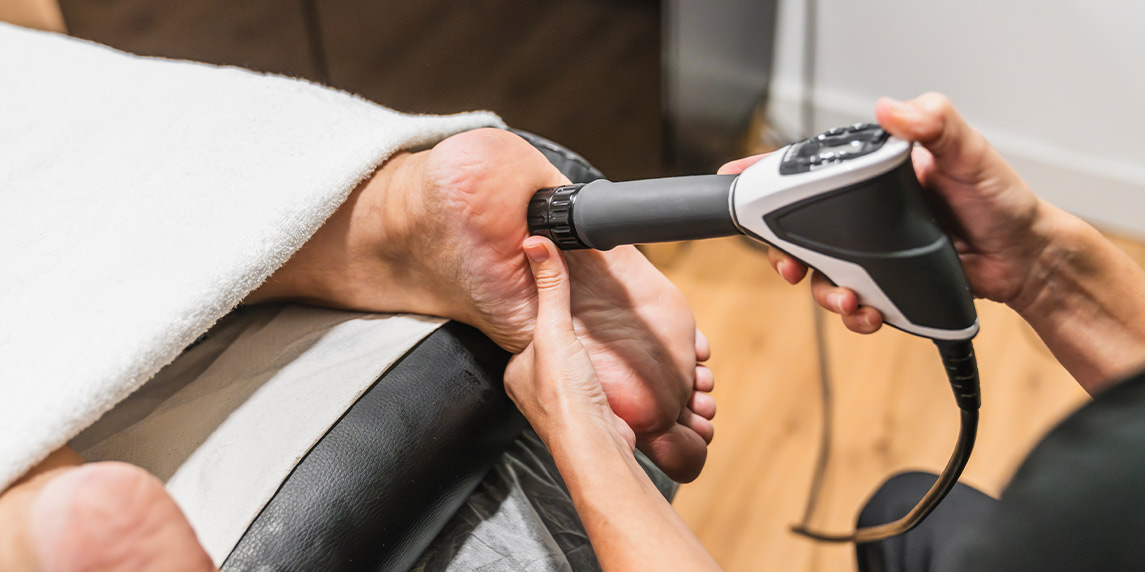
When comparing ESWT systems, feature lists alone are not enough. Each capability should support real-world clinical demands. The following features represent the most important criteria practices should evaluate heading into 2026.
1. Shockwave Technology Type: Focused vs. Radial
Every ESWT purchasing decision begins with understanding shockwave generation. Radial shockwave therapy disperses energy across a wider surface area, penetrating approximately 3–4 cm, making it effective for superficial conditions such as plantar fasciitis and lateral epicondylitis. Focused shockwave therapy concentrates energy at precise depths of up to 12 cm, which is essential for deeper tissue, joint pathology, and bone-related conditions.
Many modern clinics invest in systems that offer both technologies, allowing them to treat a broader range of conditions without compromise.
2. Energy Range and Adjustability
Different conditions and different patients, require different energy levels. A clinically capable ESWT machine should offer a wide, adjustable energy spectrum, typically ranging from low-intensity levels (around 0.08–0.10 mJ/mm²) to higher therapeutic outputs (up to 0.29–0.60 mJ/mm²).
Energy flexibility allows clinicians to:
- Treat sensitive areas with control
- Gradually progress treatment intensity
- Address chronic conditions requiring higher therapeutic thresholds
Machines with limited energy control restrict protocol customization and clinical effectiveness.
3. Frequency Range and Pulse Control
Frequency directly affects treatment feel, efficiency, and tissue response. Leading ESWT systems offer variable frequencies from approximately 1–21 Hz, enabling clinicians to tailor protocols to specific anatomical regions and diagnoses.
For example, higher frequencies are often used for plantar fascia treatments, while lower frequencies are preferred for shoulder or tendon applications. Machines with narrow frequency ranges limit adaptability across patient populations.
4. User Interface and Clinical Workflow Design
Efficiency matters in busy practices. A clear, intuitive interface reduces setup time, minimizes training demands, and lowers the risk of user error. Modern ESWT machines typically feature touchscreen displays with straightforward parameter adjustment and visual treatment feedback.
A well-designed interface supports consistency across providers and improves treatment confidence.
5. Preset Protocols with Customization Capability
Preset protocols can significantly improve workflow, especially for high-volume clinics. However, presets should never replace clinical judgment. The most effective systems offer evidence-based default protocols while allowing full customization of energy, frequency, and pulse count to meet individual patient needs.
This balance supports both efficiency and personalization.
6. Applicator and Handpiece Ergonomics
Clinician comfort is often overlooked but directly impacts treatment accuracy and staff longevity. Ergonomically designed handpieces reduce strain during repeated sessions and improve control during precise applications. Advanced designs, such as optimized projectile systems, also enhance energy consistency.
Weight, grip shape, and cable flexibility all contribute to usability.
7. Portability and Physical Footprint
Practice layout and mobility requirements should guide device selection. Portable ESWT units, typically weighing around 2–3 kg, are ideal for multi-room clinics or providers who travel between locations. Larger clinical systems often deliver higher power and expanded features but require dedicated space.
Matching form factor to workflow prevents underutilization.
8. Noise Output and Patient Comfort
Shockwave therapy can be intimidating for first-time patients. Excessive noise or vibration can increase anxiety and negatively affect the treatment experience. Many newer systems incorporate sound-dampening technology to maintain a calm clinical environment without sacrificing therapeutic output.
Patient comfort directly influences compliance and referrals.
9. Safety Monitoring and System Protections
Built-in safety mechanisms protect both patients and equipment. Essential safeguards include energy monitoring, temperature regulation, and automatic shut-off systems to prevent misuse or overheating.
Reliable safety systems also reduce liability concerns.
10. Warranty Coverage and Technical Support
Downtime is costly. Warranty terms, service response times, and access to knowledgeable support teams should factor heavily into any purchasing decision. Providers offering clinician-informed support and responsive service help ensure uninterrupted treatment delivery.
Support quality often distinguishes long-term satisfaction from frustration.
11. Accessory Compatibility and Upgrade Path
An ESWT system should grow with your practice. Compatibility with multiple applicator heads, software updates, and future hardware enhancements helps extend the life of your investment and expand treatment capabilities over time.
This flexibility protects against premature obsolescence.
12. Regulatory Compliance and Certifications
Regulatory clearance is non-negotiable. FDA clearance, CE marking, and adherence to recognized quality management standards confirm device safety and clinical reliability.
Working with reputable manufacturers ensures compliance remains current.
How to Compare ESWT Systems Beyond the Spec Sheet
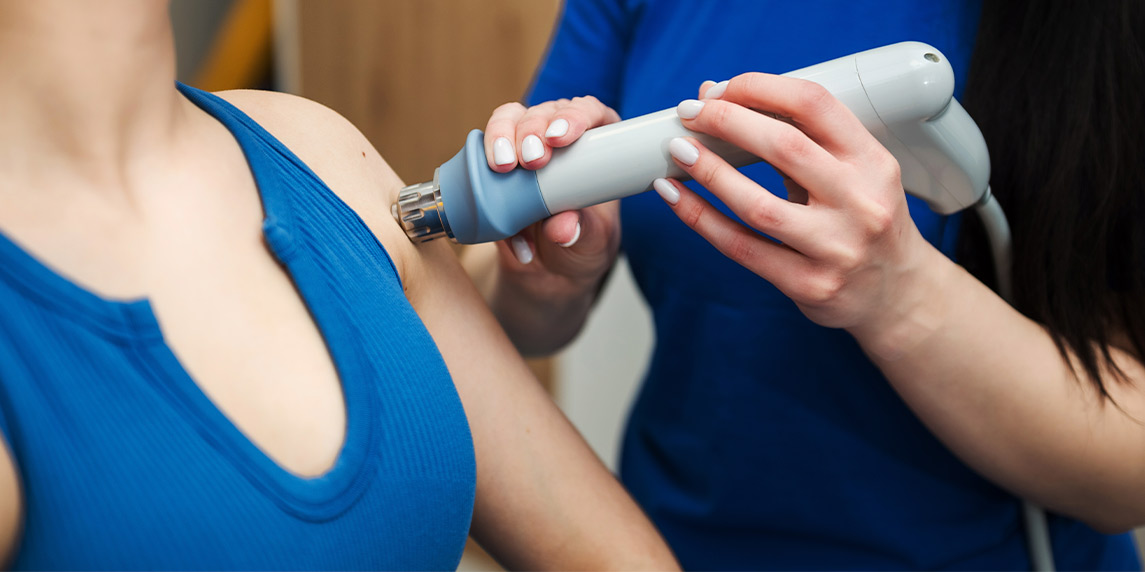
Selecting an ESWT machine requires evaluating real-world performance, not just technical specifications. A comprehensive comparison should focus on clinical reliability, usability, and long-term value.
Assessing Quality and Reliability
Before committing, review the following indicators:
- Manufacturer track record and industry reputation
- Peer-reviewed clinical validation
- Regulatory history and compliance transparency
- Expected lifespan and shockwave count durability
Established manufacturers consistently outperform lesser-known alternatives in reliability.
Evaluating Clinical Performance
Performance should align with your most common use cases:
- Adequate energy range for your patient population
- Appropriate technology depth for treated conditions
- Protocol flexibility across musculoskeletal diagnoses
- Interface efficiency and training requirements
These factors determine daily usability for your practice.
Prioritizing Hands-On Experience
Whenever possible:
- Request live demonstrations
- Arrange short-term trials
- Gather clinician feedback
- Evaluate patient comfort during sessions
Hands-on evaluation often reveals practical differences not evident on paper.
Understanding Total Cost of Ownership
The purchase price is only part of the investment. A realistic cost assessment should include:
- Initial equipment cost (portable vs. clinical systems)
- Consumables and replacement components
- Maintenance schedules and calibration needs
- Lease versus purchase considerations
- Service contracts and response guarantees
Leasing options can reduce upfront risk and allow practices to stay current as technology evolves.
Making a Smart ESWT Investment for Long-Term Growth
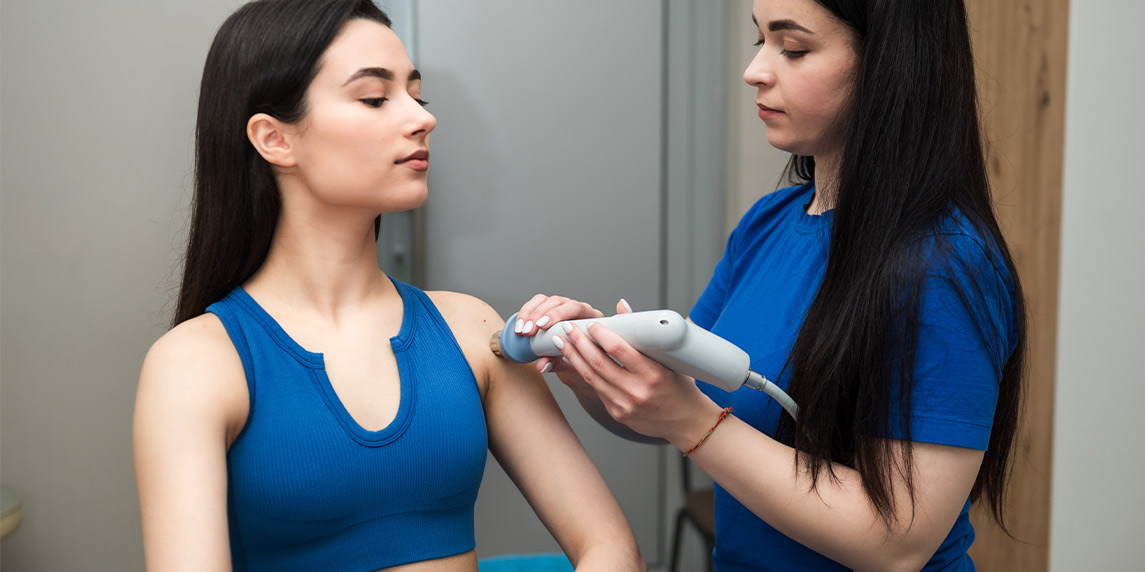 An ESWT machine should support both current clinical needs and future expansion. Begin by analyzing your patient demographics and treatment focus. Sports medicine practices may prioritize focused therapy, while rehabilitation clinics may benefit from radial systems or a combination of both.
Versatility strengthens referral potential and patient retention. Systems capable of addressing multiple conditions allow practices to expand services without adding complexity.
Training and ongoing support play an important role. Proper onboarding ensures clinicians fully leverage system capabilities, improving outcomes and consistency.
2026 ESWT Machine Selection Checklist
- Match technology type to clinical focus
- Evaluate the full cost of ownership
- Confirm protocol flexibility
- Verify training and service support
- Assess upgrade options
- Ensure regulatory compliance
- Review warranty terms and lifespan
With the right ESWT system, practices often see rapid ROI through increased patient volume and efficient treatment delivery.
Shockwave Source helps practices navigate this decision with transparent guidance, flexible leasing options, and equipment backed by clinical insight. Explore our resources and equipment options to find an ESWT solution that supports confident, sustainable practice growth.