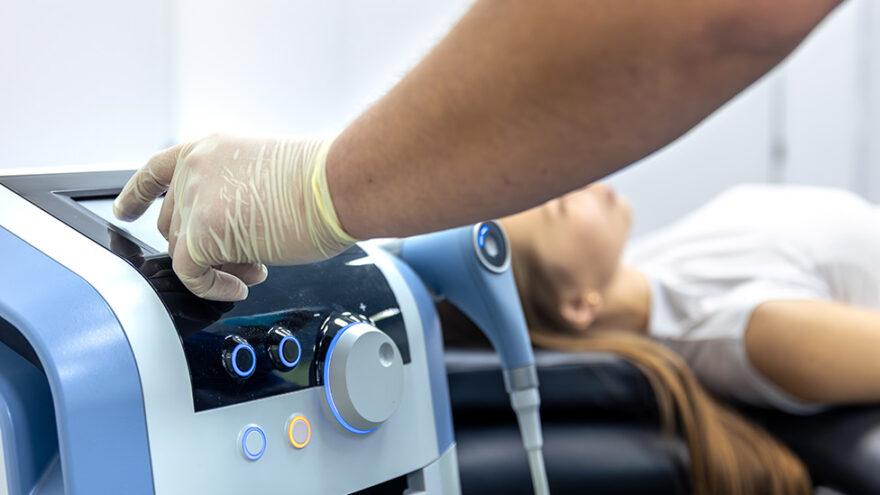
Adding shockwave therapy to your clinic is one of the fastest ways to grow revenue, expand services, and provide patients with effective, non-invasive pain relief. Implemented correctly, it can position your practice as a leader in musculoskeletal care while generating strong returns.
This guide walks you through everything from selecting equipment to launching your first treatments, with a focus on actionable steps during your first 30 days.
Why Clinics Are Integrating Shockwave Therapy
Shockwave therapy delivers acoustic waves that stimulate healing and tissue regeneration. Clinics adopt it because it combines clinical effectiveness with strong business outcomes.
Key benefits include:
- Short treatment sessions (5–10 minutes), allow higher patient throughput.
- Non-invasive, drug-free pain management, appealing to patients seeking alternatives to medication.
- High patient satisfaction, which drives repeat visits and referrals.
- Strong ROI potential, as equipment can quickly generate revenue by expanding service offerings.
These advantages make shockwave therapy a practical addition for clinics looking to increase both patient outcomes and practice profitability.
Here are the steps for successfully integrating shockwave therapy and achieving results in your first 30 days.
Step 1: Selecting the Right Equipment
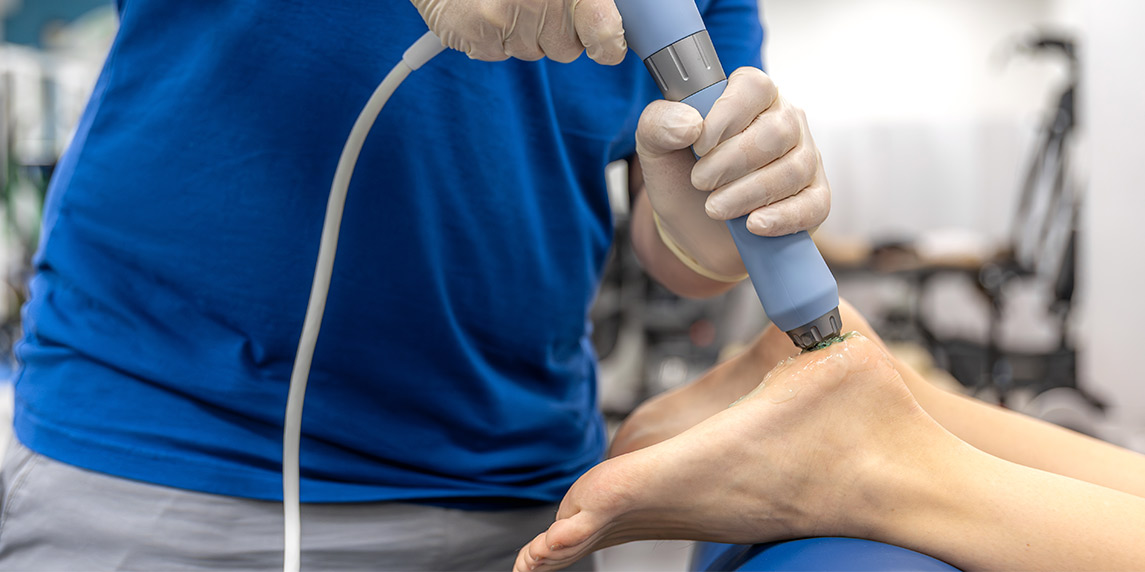
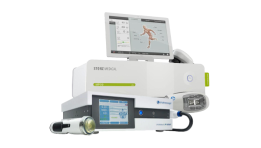
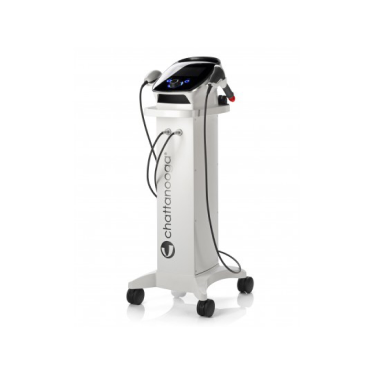
Choosing the right shockwave device is essential for delivering results and maximizing ROI. Consider the following factors when evaluating equipment:
- Treatment depth and energy output: Ensure the device meets the patients’ needs of the conditions you treat.
- Types of conditions: Radial systems are ideal for general musculoskeletal issues, while focused devices target deeper structures.
- Patient volume: High-volume practices benefit from machines designed for quick treatments and durability.
- Portability versus a stationary system: Consider if the device will be moved between rooms or used in a dedicated treatment space.
Device types at a glance:
- Radial Shockwave Systems: Broad coverage, ideal for plantar fasciitis, tennis elbow, and shoulder pain.
- Focused Shockwave Systems: Penetrates deeper tissues, precise for chronic tendon or ligament issues.
Selecting the correct system aligns your clinic’s clinical goals with patient demand and supports long-term practice growth.
Step 2: Staff Training & Certification
Proper training ensures that treatments are effective, safe, and consistent. Even experienced clinicians benefit from structured instruction.
Key components of staff preparation include:
- Device operation training: Understanding machine settings and treatment protocols.
- Treatment protocols for specific conditions: Guides on common applications such as plantar fasciitis or Achilles tendonitis.
- Ongoing technical support: Access to guidance for troubleshooting or optimizing treatments.
Investing in training reduces errors, enhances patient experience, and speeds adoption, allowing your clinic to start seeing results immediately.
Step 3: Preparing Your Clinic for Shockwave Therapy
Setting up shockwave therapy is straightforward. Unlike some medical technologies, it does not require extensive construction or specialized infrastructure.
To integrate treatments effectively, you need:
- A treatment room: Standard space is sufficient; no additional infrastructure is needed.
- Applicators and conductive gel: Essential for efficient energy transmission.
- Patient positioning equipment: Treatment tables or chairs are adequate.
Because sessions are short and non-invasive, you can incorporate treatments into existing schedules without disrupting workflow.
Step 4: Launching Your First Treatments
 The first month sets the foundation for workflow, results, and patient confidence. Focus on three main areas:
1. Treat Common Conditions First
Starting with high-response conditions ensures early success and patient satisfaction. Shockwave therapy works well for:
- Plantar fasciitis
- Tennis elbow
- Shoulder pain
- Achilles tendonitis
These treatments are predictable and allow your team to refine techniques while generating measurable outcomes.
2. Patient Education Builds Trust
Educating patients about shockwave therapy improves compliance and acceptance. Make sure your team can explain:
- How the treatment works: Stimulates tissue repair at the cellular level.
- Sensation during therapy: Patients typically feel mild tingling or pressure.
- Expected results: Noticeable improvements often occur after 3–5 sessions.
Providing clear explanations reduces anxiety and enhances treatment uptake.
3. Scheduling for Maximum Efficiency
Because treatments are brief, scheduling flexibility allows clinics to:
- Increase daily patient volume without adding staff.
- Integrate seamlessly into existing appointment slots.
- Expand revenue with minimal overhead.
Optimized scheduling maximizes ROI while maintaining patient satisfaction.
Step 5: Marketing Your New Service
Once treatments are available, communicating the benefits to patients drives adoption and growth. Focus on:
- Dedicated web pages describing shockwave therapy and conditions treated.
- Patient success stories: Real outcomes create credibility.
- Before-and-after results: Visual proof reinforces effectiveness.
- Non-invasive, drug-free benefits: Highlights a key differentiator in musculoskeletal care.
Marketing should emphasize both clinical effectiveness and the modern, efficient nature of the treatment.
Step 6: Measuring ROI in the First 30 Days
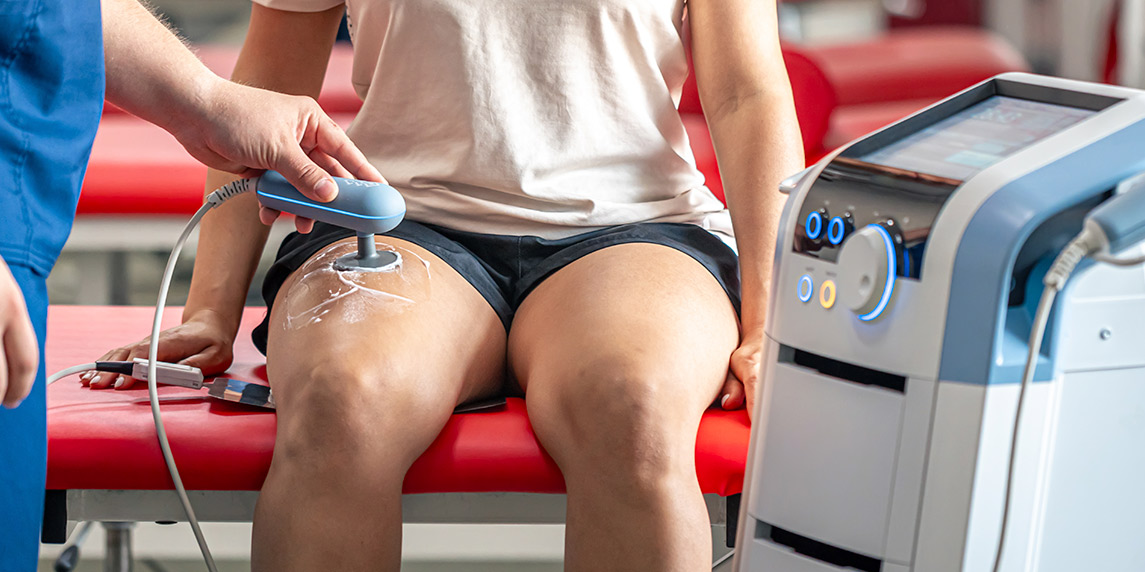
Tracking performance plays a central role in evaluating impact and refining operations. Core metrics include:
- Number of treatments delivered
- Revenue per session
- Patient retention and repeat visits
- Referrals generated
Most clinics see rapid returns due to high demand, efficient session times, and repeat protocols, allowing the technology to pay for itself quickly.
Common Pitfalls to Avoid
Avoiding early mistakes accelerates adoption and revenue growth:
- Underpricing treatments: Sets the wrong expectation for value.
- Skipping staff training: Leads to inconsistent results and patient dissatisfaction.
- Neglecting patient education: Reduces treatment compliance.
- Not marketing effectively: Limits clinic exposure and patient uptake.
Proactive management of these areas ensures smooth integration and early success.
Integrating shockwave therapy is more than a technology upgrade; it transforms how your clinic treats pain and drives growth. With short sessions, minimal setup, and strong ROI, it is one of the most practical expansions a clinic can make. Explore Shockwave Source to discover the right equipment, training options, and strategies to deliver high-value care. Start your first 30 days with confidence, and position your practice as a modern, results-focused provider offering effective, non-invasive solutions that drive sustainable growth.