Shockwave therapy has moved from “nice to have” to a revenue-driving service line in physical therapy clinics. It works. It’s fast. And patients are asking for it.
More importantly, it gives clinics a way to treat high-demand conditions without adding time, staff, or complexity. That’s why more practices are building shockwave into their core offering, not just as an add-on.
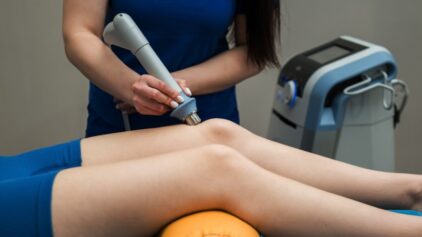
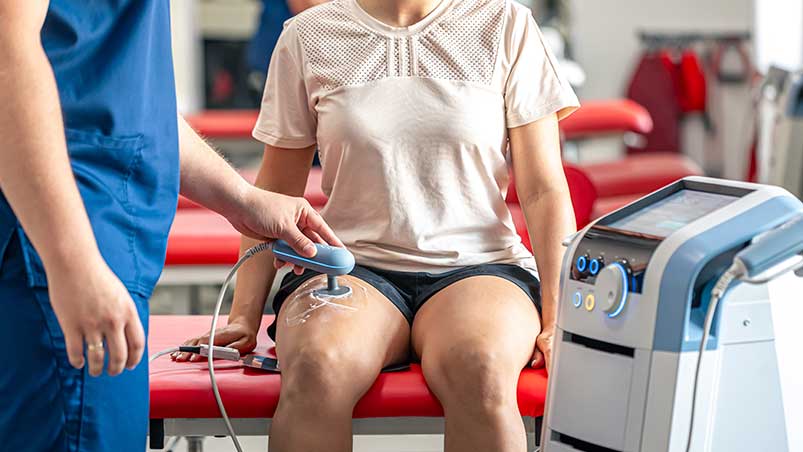
At its core, shockwave therapy (ESWT uses acoustic energy to stimulate healing, improve blood flow, and support tissue repair. No surgery. No medication. No extended downtime.
For clinics, the appeal is straightforward:
- Short treatment times
- High patient demand
- Strong cash-pay potential
- Minimal operational disruption
That combination is hard to ignore.
Why Clinics Are Prioritizing Shockwave Therapy
Before looking at specific machines, it’s worth understanding what’s driving adoption.
Clinics aren’t adding shockwave because it sounds innovative. They’re adding it because it fits how modern practices need to operate.
- Faster patient turnaround
Most sessions run 5–10 minutes, making it easy to integrate into existing schedules - Non-invasive treatment option
No injections, no surgery, and minimal side effects - Broad treatment range
From plantar fasciitis to shoulder pain and tendinopathies - Revenue per visit increases
Shockwave is often a cash-based service, improving margins - Early results
Patients often report improvement within a few sessions
Clinics that adopt early tend to see a shift: better patient retention and stronger per-visit value.
Top Shockwave Therapy Machines to Consider in 2026
There’s no shortage of equipment on the market. The difference comes down to how each system fits into your workflow and how quickly it can start paying for itself.
Here’s a breakdown of seven machines clinics are using right now.
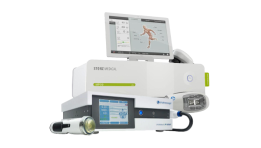
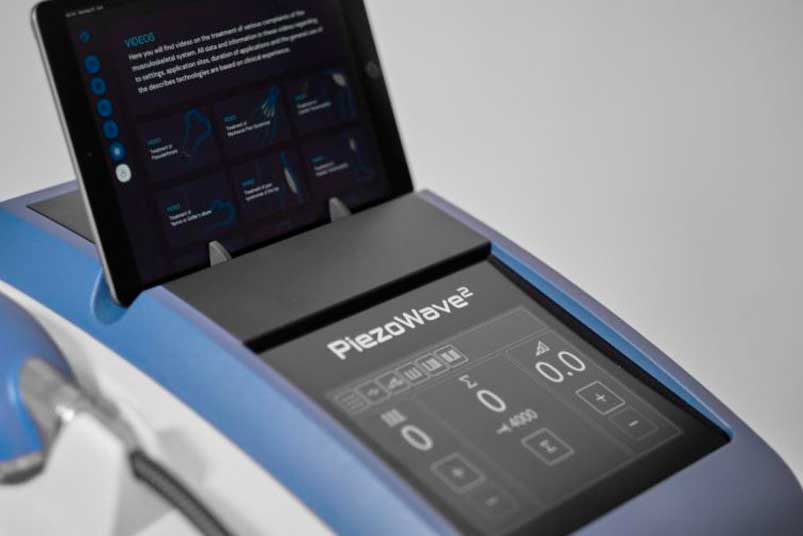
1. PiezoWave2T
This is a focused shockwave system built for precision and depth.
- Piezoelectric technology for targeted treatments
- Deep tissue penetration (up to 8 cm)
- Built for durability with high pulse capacity
- Supports advanced treatment protocols
It’s a strong fit for clinics handling chronic or deep musculoskeletal conditions where accuracy matters. It is available through leasing, which removes the need for a large upfront investment.
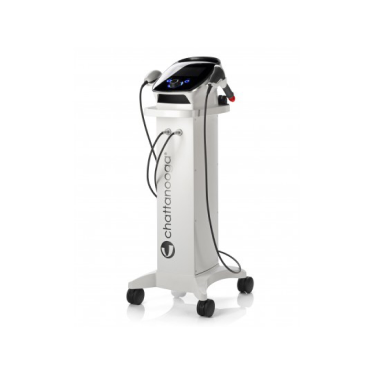
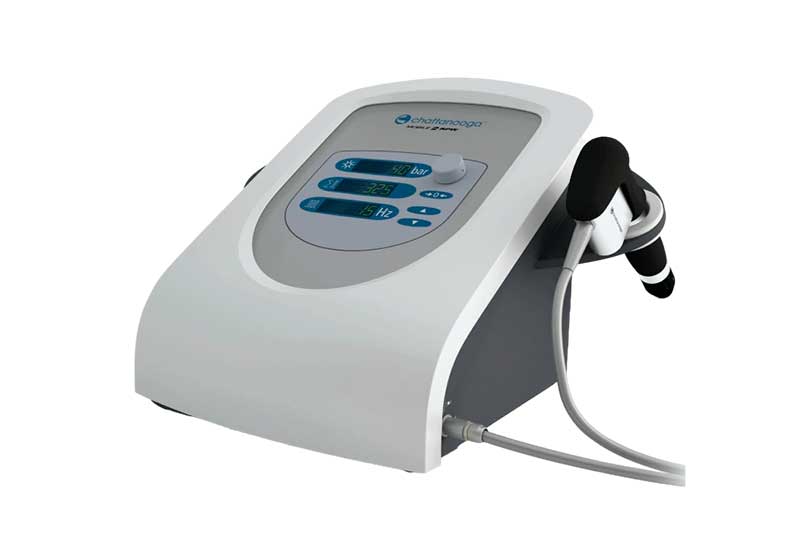
2. Chattanooga Intelect RPW2
A practical entry point for clinics adding shockwave for the first time.
- Radial pressure wave technology
- Simple interface with minimal training required
- Built for consistent, high-volume use
- Effective for superficial conditions
This system works well in busy clinics that need reliable output without complexity. Low monthly leasing options make it accessible without tying up capital.
3. Storz Medical Masterpuls Series
Designed for clinics that want flexibility across different treatment types.
- Modular setup
- Adjustable energy settings
- Ergonomic handpiece design
- Handles a wide range of conditions
This is a more advanced clinical system, often used in multi-specialty practices treating varied patient cases.
4. Zimmer EnPuls Pro
Built with portability and patient comfort in mind.
- Compact and easy to move between rooms
- Soft Shot technology for reduced discomfort
- Quiet operation
- Suitable for smaller clinic setups
A solid option for clinics where space and patient experience are priorities.
5. BTL-6000 SWT Topline
A versatile system with strong clinical backing.
- Multiple applicators for different treatment depths
- Digital controls for precision
- Proven results in tendinopathies and calcifications
Works well for clinics that want a balance between flexibility and clinical validation.
6. Gymna ShockMaster 500
Focused on ease of use and consistency.
- Preset treatment protocols
- Adjustable intensity ramp-up
- Reliable energy output
A practical option for clinics that want simple workflows without sacrificing performance.
7. Shockwave Source Prime Series
This is where things shift from equipment to business strategy.
The Prime Series is built around one goal:
Getting Shockwave into your clinic without slowing your cash flow.
- Competitive monthly leasing options
- No high upfront cost
- Reliable performance for daily use
- Strong warranty coverage
- Designed for moderate to high patient volume
Instead of forcing a major purchase decision, this approach allows clinics to start treating patients immediately and generate revenue from day one.
Comparing Your Options: What Actually Matters
Specifications are useful, but they don’t tell the full story.
What matters is how the machine fits into your clinic financially and operationally.
Here’s a simplified comparison to help frame that decision:
| Machine | Technology | Best Use | Portability | Access Model |
| PiezoWave2T | Focused | Deep tissue treatments | Moderate | Lease available |
| Chattanooga RPW2 | Radial | High-volume, superficial conditions | High | Low monthly lease |
| Storz Masterpuls | Hybrid | Multi-specialty clinics | Low | Purchase |
| Zimmer EnPuls Pro | Radial | Smaller clinics, mobility | Very High | Purchase |
| BTL-6000 | Hybrid | Broad treatment range | Moderate | Purchase |
| Gymna ShockMaster | Radial | Simple workflows | High | Purchase |
| Shockwave Source Prime | Radial | Revenue-focused clinics | High | Low monthly lease |
What This Table Really Shows
There are two clear paths:
1. Large upfront investment
- $5,000 to $40,000 depending on system
- Ties up capital
- Slower return timeline
2. Leasing model
- Predictable monthly cost
- No major financial risk
- Faster path to ROI
Most clinics today are choosing the second option, not because they can’t buy, but because it keeps cash flow intact.
How to Choose the Right Machine for Your Clinic
The best machine isn’t the most advanced, it’s the one that fits your clinic’s reality.
Start with how you operate.
If you run a high-volume clinic:
- Look for durable, easy-to-use radial systems
- Prioritize speed and consistency
- Focus on patient throughput
If you treat complex or chronic conditions:
- Consider focused systems
- Look for precision and depth
If cash flow matters (and it always does):
- Avoid large upfront purchases
- Choose predictable monthly payments
- Start generating revenue immediately
What to Look Beyond the Specs
Machines don’t operate themselves. The support behind them matters just as much.
Make sure you have:
- Clear training support so your team can start using it immediately
- Responsive service to avoid downtime
- Upgrade options as your clinic grows
- Strong warranty coverage for both unit and handpiece
These factors directly affect how quickly your investment turns into revenue.
Where Shockwave Source Fits In
Most providers focus on selling machines.
Shockwave Source focuses on getting those machines working for your business.
Instead of asking:
“Can you afford this?”
They frame it as:
“How quickly can this start generating income?”
That’s where their model stands out:
- No upfront cost
- Fixed monthly payments
- Access to top-tier equipment
- Immediate implementation
You’re not delaying growth while saving for equipment.
You’re starting now and letting the machine pay for itself.
The Bottom Line
Shockwave therapy is no longer a future investment. It’s a current revenue opportunity.
The clinics seeing the biggest gains are the ones that:
- Add it early
- Price it correctly
- Integrate it into daily workflows
The equipment matters but the way you access it matters more.
A large purchase slows you down.
A flexible model gets you moving.
Start Offering Shockwave Without Slowing Your Cash Flow
If you’re looking to add shockwave therapy, the goal is simple:
Start treating patients as soon as possible without taking on unnecessary financial risk.
Shockwave Source gives you that path.
- Low, predictable monthly payments
- No upfront investment
- Equipment that fits into your clinic immediately
Explore our website to compare the best ESWT machines for your clinic and see how quickly you can bring shockwave into your practice while turning it into a consistent revenue stream.