Spring racing season places enormous physical demands on performance horses. Between intensive conditioning schedules, transport between venues, changing track conditions, and repeated high-impact movement, even well-conditioned horses can experience strain before the season reaches its peak.
For trainers, owners, and veterinarians, maintaining soundness during racing prep has become just as important as improving speed and endurance. Tendon stress, joint inflammation, back soreness, and soft tissue injuries can interrupt training schedules and compromise a horse’s long-term performance potential. According to research on equine musculoskeletal disorders, lameness and soft tissue injuries remain among the leading causes of reduced performance and early retirement in racehorses.
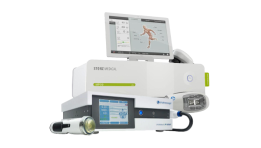
As a result, many equine professionals are incorporating an equine shockwave therapy machine into their spring conditioning programs. This advanced veterinary equipment provides a non-invasive approach to recovery and rehabilitation while helping horses stay competition-ready throughout the season.
Why Equine Therapy Matters During Racing Prep
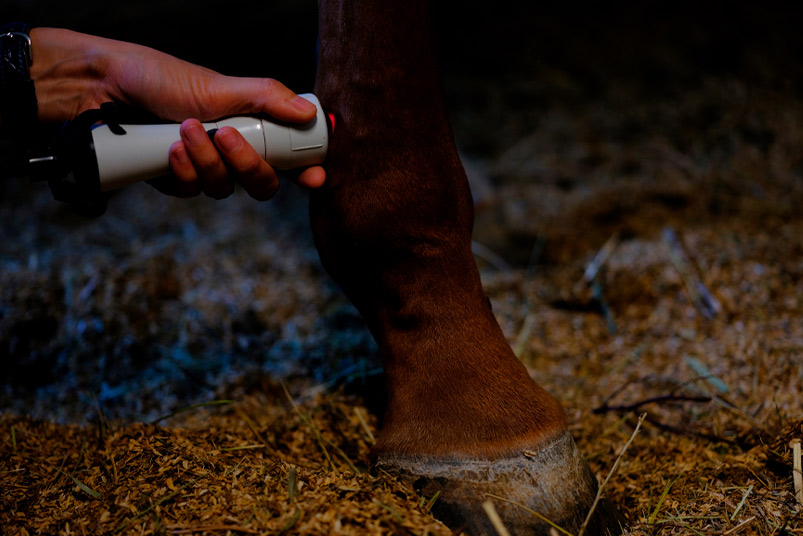
Spring competitions require horses to perform at consistently high levels over extended periods. Racing schedules often leave little room for recovery, making preventative equine therapy an essential part of stable management.
Modern horse shockwave systems support:
- Faster recovery between training sessions
- Improved mobility and flexibility
- Reduced inflammation
- Enhanced circulation
- Drug-free pain management
- Long-term musculoskeletal support
Unlike surgical procedures or prolonged medication use, shockwave therapy works by stimulating the body’s natural healing response. This allows horses to continue training with minimal disruption while reducing the risk of chronic injury development.
For trainers preparing horses for demanding spring campaigns, maintaining continuity in training can make a significant difference in overall performance outcomes.
How an Equine Shockwave Therapy Machine Works
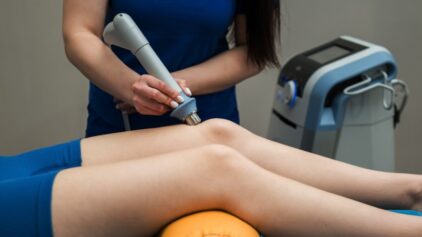
Extracorporeal Shockwave Therapy (ESWT) uses high-energy acoustic waves to target injured or stressed tissue. During treatment, a coupling gel helps transfer energy from the applicator into the affected area, stimulating biological healing responses at the cellular level.
The treatment promotes:
- Increased blood circulation
- Tissue regeneration
- Reduced inflammation
- Pain reduction
- Improved collagen production
- Enhanced cellular repair
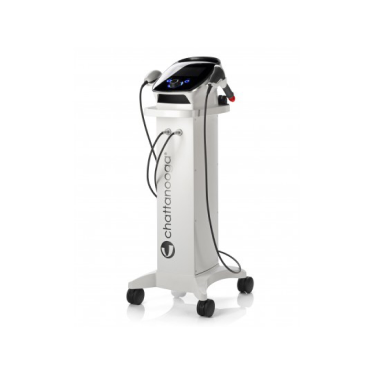
Modern equine shockwave therapy machine systems are designed specifically for equine applications, allowing veterinarians to treat both superficial and deep tissue conditions efficiently.
Advanced Features of Modern Horse Shockwave Systems
Selecting the right veterinary equipment is critical for achieving reliable treatment outcomes. Before investing in a system, trainers and veterinary professionals should evaluate the features that directly impact usability and treatment flexibility.
| Feature | Benefit for Racing Prep |
| Adjustable energy settings | Customizes treatment intensity for different injuries and tissue depths |
| Focused shockwave capability | Targets deeper structures such as ligaments and joints |
| Portable design | Allows treatment in barns, training facilities, and competition venues |
| Long battery life | Supports mobile equine therapy sessions throughout the day |
| Ergonomic applicators | Improves efficiency during busy racing schedules |
| User-friendly interface | Simplifies operation for veterinary professionals |
Focused shockwave technology typically penetrates deeper tissues more effectively than radial systems, making it particularly useful for tendon and ligament injuries commonly seen in racing horses.
Common Racing Injuries Treated with Horse Shockwave Therapy
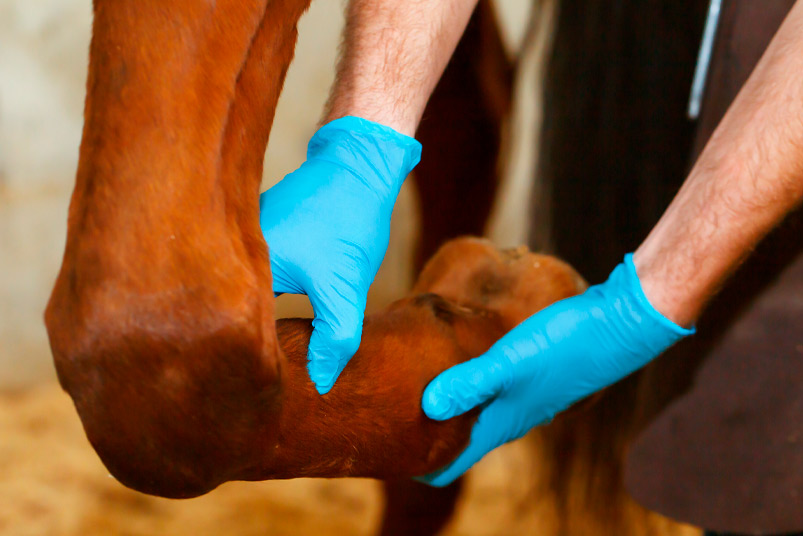
The repetitive strain associated with spring conditioning can place tremendous stress on a horse’s musculoskeletal system. Horse shockwave therapy is commonly used to manage several performance-related conditions.
Tendon and Ligament Injuries
Tendon strains and suspensory ligament injuries are among the most common setbacks during racing prep. ESWT stimulates tissue repair while helping reduce scar tissue formation, allowing horses to recover more efficiently.
Conditions commonly treated include:
- Suspensory desmitis
- Flexor tendon injuries
- Ligament strains
- Tendon inflammation
- Soft tissue trauma
Because treatment sessions are relatively short, horses can often resume controlled exercise programs quickly under veterinary supervision.
Joint Inflammation and Mobility Issues
Joint inflammation can significantly affect stride quality, flexibility, and overall performance. Shockwave therapy improves circulation around affected joints while helping reduce swelling and discomfort.
This may help support:
- Improved mobility
- Better flexibility
- Reduced stiffness
- Enhanced range of motion
- More comfortable movement during training
For performance horses competing throughout spring, maintaining joint function is essential for both speed and endurance.
Back and Muscle Soreness
Back pain and muscular tension frequently develop during intense racing prep. Shockwave therapy can target sore muscle groups while improving circulation and reducing localized discomfort.
Many trainers incorporate equine therapy into recovery schedules to help horses remain comfortable during demanding training periods.
Performance Benefits During Spring Racing Season
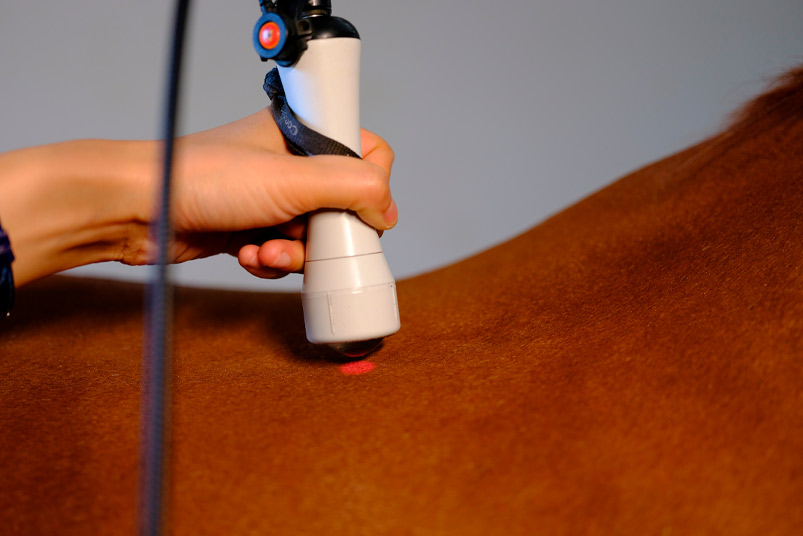
An equine shockwave therapy machine offers more than injury management alone. Many equine professionals use ESWT proactively to support conditioning and performance optimization.
Accelerated Recovery
One of the primary advantages of horse shockwave therapy is its ability to accelerate recovery from soft tissue injuries. Research suggests ESWT may improve healing rates by up to 50% in certain conditions by promoting angiogenesis, collagen synthesis, and cellular repair.
Faster recovery can help:
- Minimize downtime
- Maintain training schedules
- Support consistent conditioning
- Reduce interruptions before the competition
Drug-Free Pain Management
Competition regulations often limit medication use during racing season. Shockwave therapy provides a non-invasive, drug-free alternative for pain management while supporting natural healing processes.
Studies have demonstrated measurable improvements in thoracic and lumbar pain thresholds following treatment, helping horses remain more comfortable during training and competition.
Long-Term Musculoskeletal Support
Equine therapy is not limited to short-term recovery. By stimulating circulation and tissue regeneration, ESWT may also contribute to:
- Improved joint health
- Better flexibility
- Stronger tissue repair
- Enhanced mobility
- Ongoing performance support
For horses competing across multiple events during the spring racing season, long-term soundness remains a major priority.
Best Practices for Racing Prep with Equine Therapy
Successful treatment outcomes depend on more than simply owning the right veterinary equipment. Strategic implementation is essential for maximizing the benefits of shockwave therapy.
Work Closely with Veterinary Professionals
Treatment protocols should always be developed by qualified veterinarians familiar with equine sports medicine.
A veterinary team can help:
- Diagnose underlying issues
- Determine treatment frequency
- Adjust energy settings
- Monitor recovery progress
- Ensure regulatory compliance
Some horses may require mild sedation during treatment sessions, depending on sensitivity levels and treatment areas.
Time Treatments Strategically
Timing plays an important role in racing prep. Many treatment plans involve:
- 3–6 sessions
- Treatments spaced 2–3 weeks apart
- Gradual integration into conditioning schedules
However, trainers must also remain aware of competition regulations. Certain equestrian organizations restrict horse shockwave treatments within several days of competition because of their analgesic effects.
Proper scheduling ensures horses benefit from treatment while remaining compliant with event requirements.
Monitor Performance and Recovery
Tracking treatment outcomes helps trainers and veterinarians evaluate effectiveness over time.
Important areas to monitor include:
- Stride quality
- Mobility improvements
- Pain response
- Recovery speed
- Training consistency
- Overall soundness
Documenting progress allows veterinary teams to refine treatment plans based on each horse’s individual response.
Choosing the Right Veterinary Equipment for Your Stable
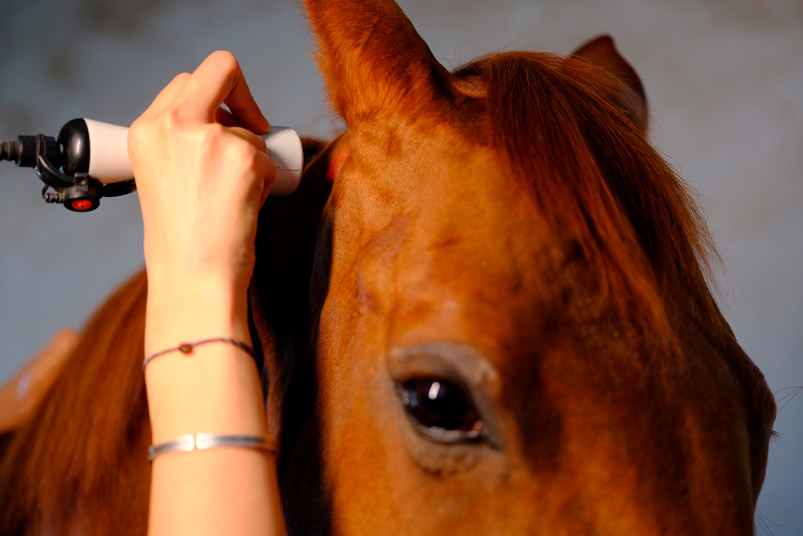
Investing in the right equine shockwave therapy machine can significantly improve treatment flexibility and long-term value for equine practices and performance stables.
Before selecting a system, evaluate:
- Portability
- Energy adjustment capabilities
- Focused vs radial technology
- Ease of operation
- Battery performance
- Durability
- Ongoing support and training
The right veterinary equipment should integrate smoothly into daily stable operations while providing reliable performance across a range of equine therapy applications.
Leasing Options for Equine Practices
For many practices and training facilities, leasing provides a practical way to access advanced horse shockwave systems without major upfront costs.
Leasing options can help practices:
- Preserve working capital
- Access newer technology
- Expand treatment services
- Improve ROI potential
- Increase treatment capacity
Professional support, training, and maintenance services also play an important role when evaluating equipment providers.
Prepare Horses for a Strong Spring Season
Spring racing season demands consistent conditioning, rapid recovery, and proactive injury management. Incorporating an equine shockwave therapy machine into your stable’s preparation strategy can help support healing, reduce downtime, and improve overall performance readiness.
From tendon injuries and joint inflammation to muscular recovery and long-term mobility support, horse shockwave systems continue to play an increasingly important role in modern equine therapy programs.
Shockwave Source provides advanced veterinary equipment designed to help equine professionals deliver effective, non-invasive treatment solutions for performance horses. With portable systems, customizable settings, and flexible leasing options, practices can integrate cutting-edge horse shockwave technology into daily care routines while supporting stronger racing outcomes throughout the spring season.