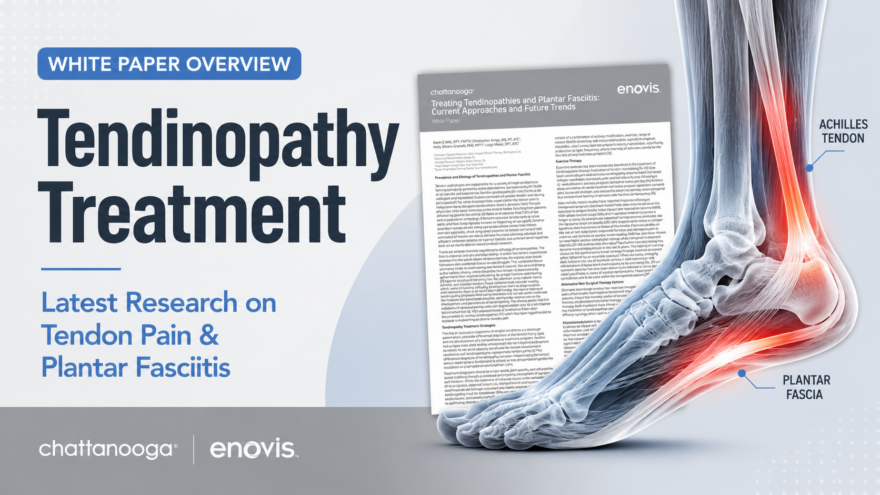
New research from four physical therapy experts pulls the evidence on tendinopathy and plantar fasciitis into one place. Here’s what the white paper covers and why it matters for clinics treating tendon pain.
A new clinical white paper makes the case that most chronic tendon pain isn’t a single problem with a single fix. Tendinopathy treatment works when an accurate diagnosis drives a multi-modal plan, and it stalls when clinics reach for one technique. The paper covers prevalence, the biology behind why these injuries resist treatment, the tendinitis vs tendinosis distinction, and where non-invasive modalities like acoustic compression therapy fit. Below is a short overview of the findings.
Why tendon and plantar fasciitis cases keep stacking up
Tendon and fascia pain is one of the highest-volume, slowest-to-resolve problems clinics see. Plantar fasciitis alone drives over 1 million U.S. physician visits a year, and that’s just one diagnosis in a much larger category. These cases turn up across sports medicine, orthopedics, and general practice. They tend to linger.
That makes the research worth a look for any practice treating tendon pain. The white paper covers why these injuries happen, how to classify them correctly, and what comprehensive care looks like now. This piece is the overview. The full detail lives in the paper itself.
Inside the white paper
Here’s what the full version covers:
- How common these conditions really are. Roughly 9.1 to 10.9% of runners develop Achilles tendinopathy, and 12 to 14% of volleyball and basketball players report patellar tendon pain. Upper extremity tendon pain is actually more common in the general population than in athletes.
- Why tendon pain resists treatment. The paper walks through three etiology theories: extrinsic (mechanical overload and scar tissue), intrinsic (poor vascularity in tendons like the rotator cuff, Achilles, and patellar), and neural (nerve changes and substance P driving persistent pain).
- The tendinitis vs tendinosis distinction. Getting the differential diagnosis right, acute inflammation versus chronic degeneration, is what shapes the whole treatment plan.
- What evidence-based, multi-modal care looks like. Activity modification first, then progressive loading, soft tissue work, and targeted modalities, adjusted to each patient as symptoms change.
What the research means for clinics treating tendon pain
These conditions touch nearly every patient demographic. Runners, court athletes, aging shoulders, office workers with elbow pain. For clinics, that’s a steady, high-volume caseload, not an edge case.
The takeaway for practices is practical. Successful tendinopathy treatment isn’t one technique. It’s an accurate diagnosis paired with progressive loading and the right adjunct modalities, all adjusted as the patient responds. The joint-by-joint detail and the breakdown of each modality is where the white paper earns its read.
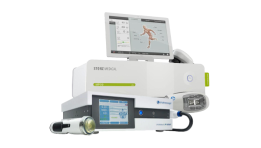
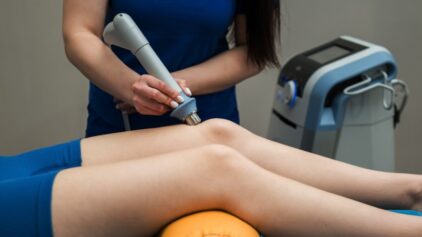
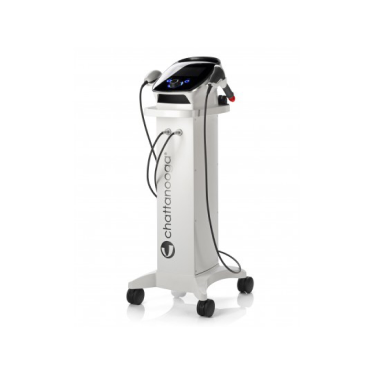
Where acoustic compression therapy fits
The paper points toward non-invasive modalities as a useful part of that multi-modal plan, used alongside loading programs rather than in place of them. That positioning matters. The evidence frames these tools as adjuncts, not substitutes for active rehab.
Read the full white paper
The summary above is the highlight reel. The paper breaks down each condition, the supporting research, and joint-specific treatment guidance in full.