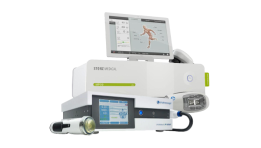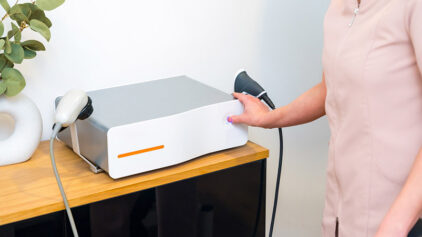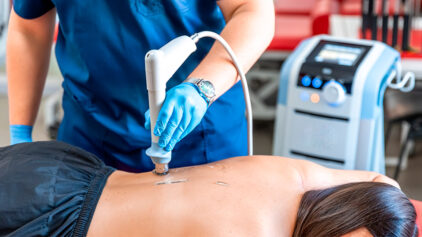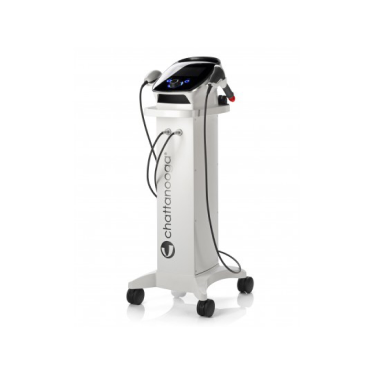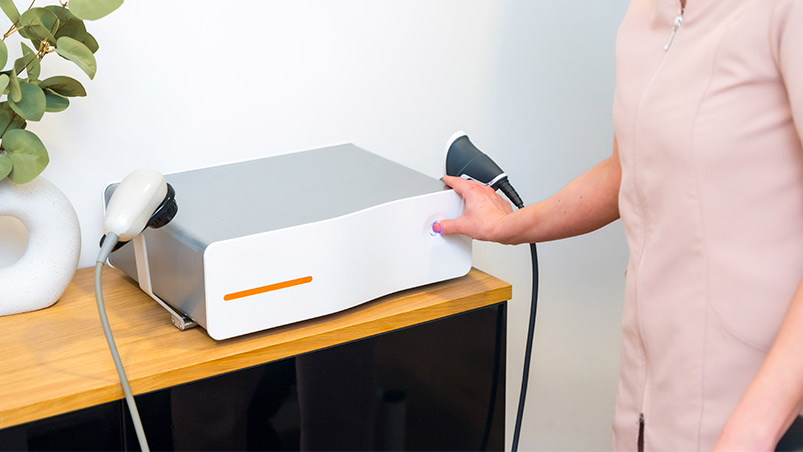
Extracorporeal Shockwave Therapy (ESWT) has become one of the most valuable tools in modern rehabilitation and musculoskeletal care. Clinics across physiotherapy, chiropractic, sports medicine, and orthopedics are using shockwave technology to treat stubborn pain conditions with a non-invasive approach that supports the body’s natural repair process.
Shockwave therapy works by delivering acoustic pressure waves into targeted tissue. These waves trigger biological responses at the cellular level, converting mechanical stimulation into biochemical signals that support circulation, regeneration, and healing pathways. This mechanism is one of the reasons ESWT continues to gain clinical traction year after year.
With the right machine, clinics can treat a wide range of chronic and acute conditions, from tendon injuries to calcifications and persistent soft tissue pain.
Before investing, it helps to understand what makes one system a better fit than another, and how to choose equipment that aligns with both patient needs and business goals.
The Clinical Value of Adding Shockwave Therapy
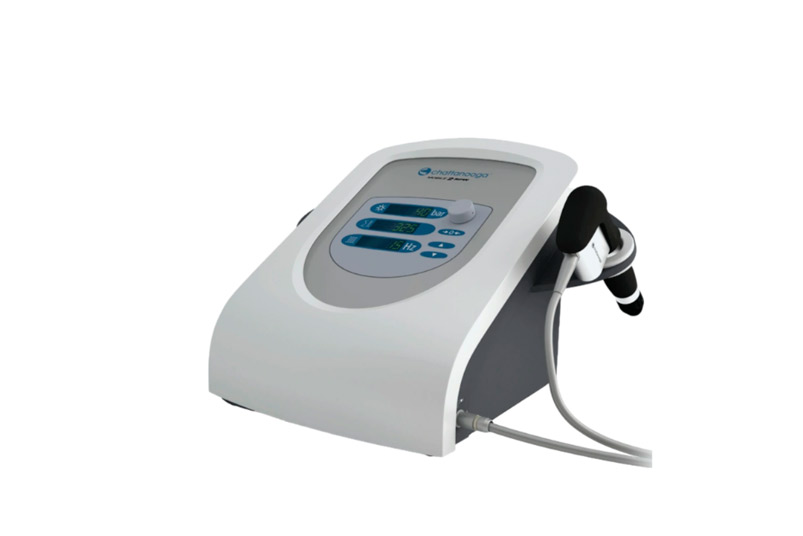
Shockwave therapy has earned its place because it delivers real-world benefits in both treatment efficiency and practice growth.
Here are some of the most common reasons clinics integrate ESWT:
- A non-surgical alternative to medication-based pain management
- Treatment sessions that typically last only 5–10 minutes
- Symptom improvement often seen within 3–4 visits
- Broad versatility across multiple musculoskeletal conditions
- Strong revenue potential with minimal operational disruption
- A clear differentiator for patients seeking advanced care options
Clinics that adopt shockwave therapy often find that it strengthens outcomes while also positioning the practice as a leader in modern rehabilitation services.
This guide will walk through the key features, pricing considerations, and decision points that matter most when purchasing shockwave equipment in 2026.
Understanding the Two Main Types of Shockwave Machines
One of the first decisions when you buy a shockwave machine is selecting between radial and focused technology. Both are effective, but they serve different clinical purposes.
Radial Pressure Wave (RPW) Systems
Radial shockwave machines disperse energy outward from the applicator point, with intensity decreasing as it moves deeper into tissue.
These devices are commonly used for superficial musculoskeletal conditions and broad treatment zones. Their effective depth is typically around 3–4 cm.
RPW systems are frequently chosen for:
- Plantar fasciitis
- Tennis elbow
- Trigger point therapy
- General tendon irritation
Radial units also tend to be more accessible financially, making them a common entry point for clinics adding shockwave services.
Focused Shockwave Therapy (FSWT) Systems
Focused shockwave machines concentrate energy at specific depths with much greater precision. These systems can reach up to 12 cm into deeper structures, making them suitable for complex or chronic pathologies.
Focused therapy is often preferred for:
- Calcific tendinopathy
- Chronic tendon degeneration
- Bone-related conditions
- Deep joint or ligament issues
Because of their engineering and clinical range, focused systems typically require a higher upfront investment.
Key Technical Specifications That Affect Performance
Once you determine machine type, the next step is evaluating core technical capabilities.
- Power Output and Energy Levels
- Determines treatment intensity and depth
- Radial devices typically operate at 1-5 bar pressure
- Focused devices offer precise energy adjustment measured in mJ/mm²
- Frequency Range
- Typical range from 1-21 Hz affects tissue response
- Lower frequencies (1-5 Hz) for pain reduction
- Higher frequencies (15+ Hz) for improved tissue regeneration
- Applicator Types
- Various transmitter heads for different tissue depths and conditions
- Consider machines that offer multiple applicator options
- Specialized applicators for focused applications (spine, trigger points)
Ease of Use and Workflow Integration
Shockwave therapy is only profitable if it fits smoothly into daily clinical operations.
Modern Shockwave Therapy Machines increasingly include touchscreen interfaces and pre-set protocols that simplify setup and reduce training burden.
When evaluating usability, consider:
- Intuitive software navigation
- Custom protocol saving
- Ergonomic handpieces that reduce provider fatigue
- Patient tracking tools for documenting progress
The best systems support both clinical consistency and staff efficiency.
Patient Comfort and Built-In Safety Features
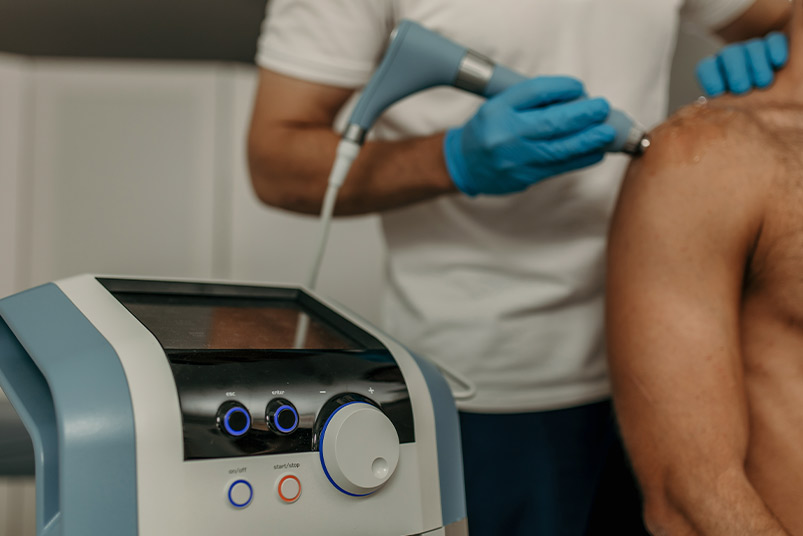
Patient experience matters, especially for therapies involving mechanical stimulation.
Many newer machines include comfort-enhancing features such as “Soft Shot” technology, allowing gradual intensity ramp-up.
Important comfort and safety considerations include:
- Adjustable intensity controls
- Over-treatment prevention safeguards
- Applicators designed for smooth contact across body regions
- Reduced discomfort during higher-energy sessions
A machine that supports comfort improves adherence and treatment completion rates.
Durability, Maintenance, and Long-Term Reliability
Shockwave equipment is a long-term investment, so service requirements should be evaluated upfront. Before purchasing, review:
- Warranty coverage for both console and handpiece
- Replacement part availability
- Expected pulse lifespan (often millions of pulses)
- Service response times
High-quality machines should last 5–7 years or longer with appropriate maintenance planning.
Service agreements matter just as much as device specs.
Pricing, ROI, and Budget Planning for Clinics
Shockwave machines vary widely in cost depending on type and clinical grade.
Radial systems may range from $3,000–$8,000, while focused clinical-grade platforms often fall between $15,000–$40,000 or more.
Pricing is influenced by:
- Energy capability
- Applicator variety
- Portability vs full clinical systems
- Included training and service packages
ROI Potential for Shockwave Therapy
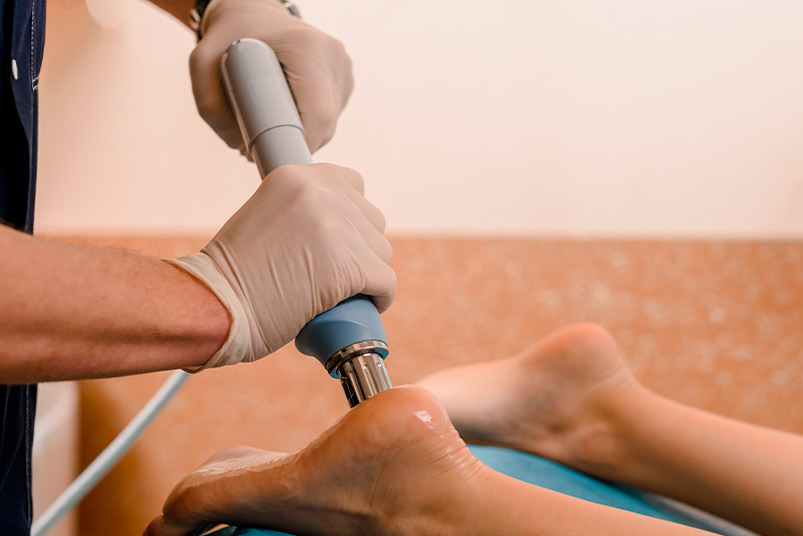
Shockwave therapy is one of the most efficient in-clinic revenue services due to short session length. Many clinics charge around $100 per session, with most patients completing 3–4 sessions. With consistent monthly volume, practices can generate meaningful profit even after lease costs are accounted for.
Leasing vs Buying: Which Makes Sense?
Clinics today often choose leasing, instead of choosing to buy a shockwave machine because it reduces financial barriers while allowing faster implementation.
Leasing advantages include:
- No large upfront expense
- Predictable monthly payments
- Flexibility to upgrade equipment
- Maintenance often included
Purchasing may be better for clinics that want full ownership and long-term depreciation benefits. The right decision whether to lease or buy depends on cash flow, growth plans, and expected utilization.
Expert Steps for Choosing the Right Machine
To ensure the best fit, clinics should approach shockwave purchasing strategically.
Start with these key steps:
- Match machine type to your most common patient conditions
- Evaluate the manufacturer’s reputation and clinical certifications
- Request demos or short-term trials when possible
- Seek peer recommendations from similar practices
- Confirm compliance with local medical device regulations
Taking these steps reduces risk and improves long-term satisfaction.
Bringing Shockwave Therapy Into Your Practice with Confidence
Upgrade your clinic’s therapeutic offerings with advanced shockwave technology from Shockwave Source. Whether you choose to lease or buy, our flexible options make it easier to provide effective, non-invasive care for musculoskeletal conditions without a major upfront investment. Shockwave therapy is a proven solution for reducing pain, supporting recovery, and expanding the range of services your practice can deliver, all while contributing to measurable revenue growth.
Investing in a shockwave machine enhances both clinical outcomes and long-term practice profitability. With our guidance, clinics can maximize ROI through efficient treatments, increased patient volume, and streamlined operations. Shockwave Source supports every step with transparent advice, flexible leasing plans, and equipment backed by clinical insight. Explore our range of clinical equipment and discover how to grow your practice and patient outcomes today.