Winter brings a predictable slowdown for many clinics. Fewer outdoor sports, reduced recreational activity, and holiday scheduling gaps often lead to lighter appointment books. While this shift can feel disruptive, it also creates a rare and valuable opportunity: uninterrupted time to invest in clinical skills and long-term practice growth.
Unlike peak seasons, when patient volume dictates every hour, winter allows practitioners to step back from daily demands and focus on education, system improvement, and strategic planning. Clinics that use this period intentionally are often the ones best prepared when patient demand rebounds in spring and summer.
Extracorporeal Shockwave Therapy (ESWT) certification fits naturally into this seasonal window. ESWT is already a proven, non-invasive modality across orthopedics, sports medicine, rehabilitation, and pain management. Certification deepens clinical confidence, improves treatment consistency, and positions a practice to meet growing patient demand for non-surgical solutions.
With flexible online certification options now widely available, winter offers the ideal pace to master ESWT without disrupting patient care, while setting the stage for stronger performance in the year ahead.
Why Winter Is the Ideal Time to Pursue ESWT Certification

Seasonal slowdowns are often viewed as a challenge. In reality, they are one of the few times during the year when focused learning can happen without compromise. Winter creates conditions that support deeper engagement with advanced modalities like ESWT.
Several practical factors make winter especially well-suited for certification:
- Reduced patient volume allows focused learning. With fewer daily appointments, clinicians can dedicate uninterrupted time to understanding ESWT fundamentals, protocols, and indications. This creates space for thoughtful study and hands-on practice without clinical pressure.
- Greater staff availability supports team-based training. Coordinating schedules is easier during slower months. Training multiple providers together promotes consistent protocols, shared language, and smoother implementation across the clinic.
- Winter preparation strengthens spring readiness. Clinics that complete certification before activity levels increase are fully prepared to offer ESWT when demand spikes. This avoids rushed onboarding and allows confident delivery from day one.
- A calmer environment improves learning quality. Winter’s slower pace supports deeper comprehension. Self-paced certification programs allow clinicians to absorb material thoroughly rather than skimming content between patients.
Used strategically, winter becomes less about reduced volume and more about operational advantage.
What ESWT Certification Adds to Clinical Practice
ESWT certification is not simply about learning how to operate a device. It provides a structured understanding of the therapy’s mechanisms, clinical applications, and patient selection, elements that directly affect outcomes and practice reputation.
Certified clinicians gain several measurable advantages.
A Clear Understanding of a Proven Modality
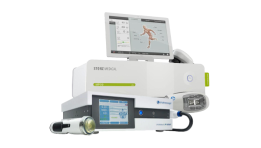
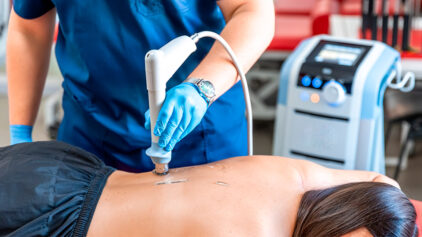
Extracorporeal Shockwave Therapy uses high-energy acoustic waves to stimulate biological responses that support healing. These waves promote neovascularization, increase collagen production, and stimulate cellular activity involved in tissue repair. Because ESWT is non-invasive, it offers effective pain relief without medications or surgery.
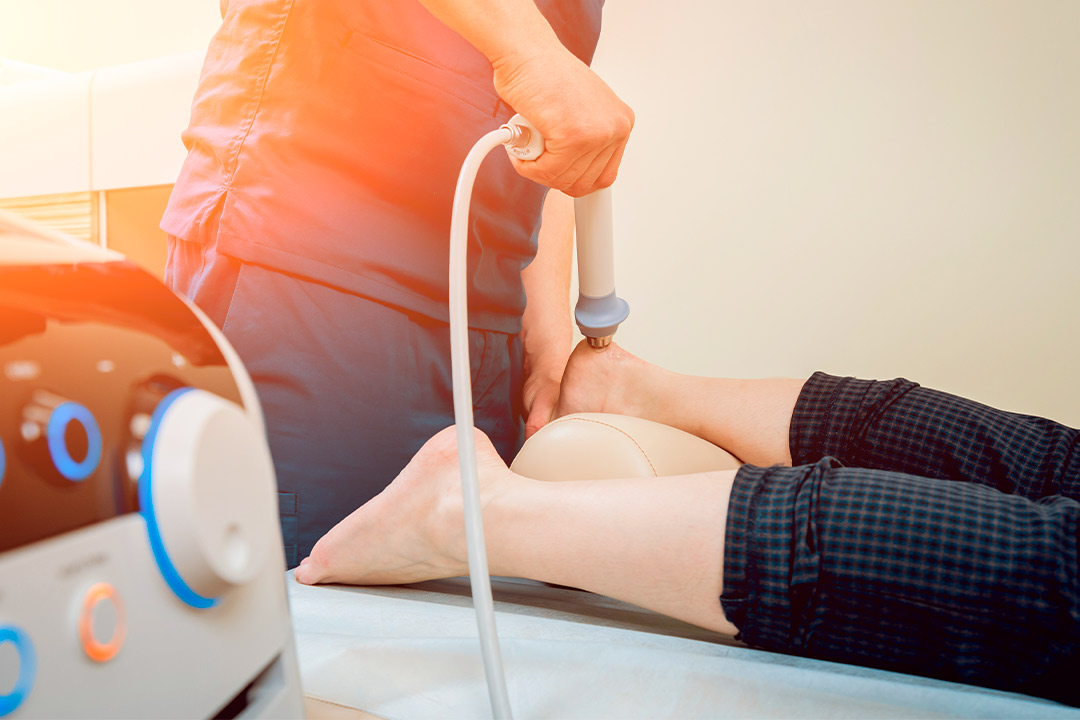
Treatment sessions are typically brief, often under 10 minutes, making ESWT easy to integrate into existing schedules. Commonly treated conditions include plantar fasciitis, lateral epicondylitis, Achilles tendinopathy, calcific shoulder conditions, and chronic soft-tissue injuries.
Certification ensures clinicians understand not only how to apply ESWT, but when and why it is appropriate.
Expanded Treatment Options for Complex Cases
Many patients seek care after traditional approaches have failed. ESWT provides an evidence-backed option for both acute and chronic conditions, particularly those resistant to rest, exercise therapy, or injections.
Certified practitioners can confidently incorporate ESWT into broader treatment plans, improving outcomes while reducing reliance on invasive interventions.
This versatility allows clinics to address a wider range of patient needs without expanding staffing or floor space.
Competitive Differentiation and Revenue Potential
From a business standpoint, ESWT certification helps practices stand out in crowded markets. Patients increasingly look for clinics offering advanced, non-invasive solutions. ESWT meets that expectation while creating a cash-based or hybrid revenue stream with strong return potential.
Practices that introduce ESWT thoughtfully, supported by proper training, often see faster adoption, better patient compliance, and consistent utilization.
Professional Credibility and Long-Term Growth
Quality ESWT certification programs cover device physics, biological mechanisms, contraindications, and condition-specific protocols. This foundation builds clinical confidence and reduces variability in treatment delivery.
For many providers, ESWT certification also opens pathways to specialization, mentorship, and leadership within multidisciplinary practices.
How to Pursue ESWT Certification During the Winter Months
Approaching certification strategically ensures smoother implementation and better long-term results. Winter offers the time to plan this process carefully rather than reacting during busier seasons.
Below are the key steps clinics should take.
Choose a Reputable Certification Program
Not all ESWT training programs are equal. When evaluating options, clinics should look for courses aligned with recognized professional organizations such as the Shock Wave Society of North America (SWSNA) or the International Society for Medical Shockwave Treatment (ISMST).
Important factors to evaluate include:
- Depth of curriculum, including physics, biology, and clinical application
- Evidence-based protocols tied to real-world conditions
- Flexible delivery formats, including online modules and hands-on components
- Ongoing educational support beyond initial certification
Programs that balance theory with practical application tend to produce the most confident clinicians.
Assess Clinic Readiness and Patient Fit
Before certification begins, clinics should evaluate how ESWT fits their patient population. Reviewing common diagnoses, chronic condition prevalence, and current treatment gaps helps determine expected utilization.
Financial planning tools can help estimate ROI by factoring in treatment volume, pricing structure, and equipment costs.
Identifying which providers will be certified, and how ESWT will integrate into their workflows prevents bottlenecks later.
Build a Winter Training Schedule
Winter scheduling flexibility allows clinics to structure training without disrupting care. Some clinics allocate slower hours to coursework, while others designate specific training days.
For multi-provider practices, coordinated group training ensures consistent protocols and shared expectations.
Clear timelines help maintain momentum and prevent certification from stretching into busier months.
Prepare for Clinical and Marketing Integration
Certification is most effective when paired with thoughtful implementation. Clinics should prepare standardized protocols for common conditions, patient education materials, and internal documentation.
Externally, updating websites, intake forms, and patient communication ensures ESWT is presented clearly and accurately. Education, not hype, builds trust and adoption.
Equipment acquisition should also be planned early. Leasing options can reduce upfront costs and allow clinics to align payments with utilization as demand increases.
Turning Winter Training into Year-Round Advantage
 Winter does not have to be a holding pattern. For clinics focused on long-term growth, it can be a strategic period to prepare for higher demand and expanded treatment capabilities.
Completing ESWT certification during slower months allows practices to move into spring fully trained and operational. Instead of rushing to adopt new services mid-season, clinics that plan ahead are positioned to deliver shockwave therapy confidently and consistently as patient volume increases.
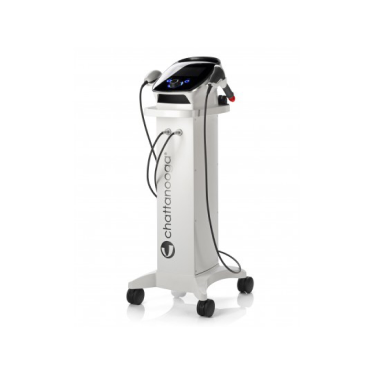
Shockwave Source supports this transition by providing advanced ESWT technology built for real clinical use. With reliable equipment, scalable solutions, and flexible acquisition options, practices can implement shockwave therapy efficiently once certification is complete.
Rather than letting winter pass unused, use it to align training, technology, and operational readiness, so your practice is prepared for what comes next.
Explore ESWT equipment and technology from Shockwave Source and get your practice ready for the next season.