Renting Shockwave Equipment for Fall: A Cost Analysis

Fall fills waiting rooms. Weekend warriors push through one last season, youth sports hit peak intensity, and the first cold snaps can aggravate nagging tendon pain and old injuries. For clinics that treat pain, demand can surge as the season changes, prompting many practices to consider renting a shockwave therapy machine to handle the extra volume without a large upfront investment.
Before you commit, it’s worth running the numbers. Renting may offer short-term flexibility, but it can cost more over time, especially if seasonal demand extends beyond a few months. This guide breaks down the costs of renting, leasing, and buying shockwave equipment so you can compare your options before your schedule fills up.
Why Fall Drives a Surge in Demand

The fall patient surge is real, and it's predictable. As summer activity winds down and the weather shifts, clinics tend to see more of the exact conditions shockwave therapy targets, including plantar fasciitis, Achilles and other tendinopathies, chronic heel pain, and soft-tissue injuries across the shoulders, knees, and elbows.
That's the same list of conditions practitioners already treat with the technology. Chiropractic and sports medicine providers like Dr. Roy Nissim use radial shockwave therapy to heal exactly these kinds of stubborn musculoskeletal problems, often in short, non-invasive sessions. When more of those patients walk through your door at once, treatment capacity becomes the bottleneck, and a machine that sits idle in July suddenly can't keep up in October.
The question isn't whether you need the equipment. It's how to get access to it in a way that fits both the season and your budget.
Rental vs. Lease vs. Buy: The Real Costs
Each path to equipment access carries a different cost structure. Here's how they compare when you're planning around a seasonal spike.
- Renting. Short-term rentals offer flexibility, but you usually pay a premium for it. Rental rates are priced to cover the provider's risk over a short window, so the monthly cost tends to run high relative to the equipment's value. You also get the machine only while the contract lasts; when the fall surge rolls into a busy winter, or patients you introduced to shockwave therapy want to continue, the equipment goes back, and the revenue stream stops with it. Nothing you paid builds toward owning or keeping the device.
- Buying. Purchasing eliminates recurring payments and gives you the machine permanently. The tradeoff is the high upfront cost, which ties up capital you might otherwise spend on staffing, marketing, or other priorities heading into your busiest months. For a practice testing seasonal demand, that's a heavy commitment to make all at once.
- Leasing. Leasing sits between the two and, for most practices, resolves the tension a rental creates. You get the equipment immediately with no large upfront purchase, fixed monthly payments that make budgeting predictable, and, importantly, the machine doesn't disappear when the season ends. Leasing plans start low, with maintenance and support included, so a surprise repair doesn't blow a hole in your fall budget.
The pattern is straightforward: renting solves a short-term access problem at a long-term cost, while leasing solves the same access problem and lets you keep serving patients after the surge subsides.
Why Leasing Wins for Seasonal Demand

If the fall surge were a one-week event, a rental might make sense. It isn't. Elevated demand tends to build through fall and carry into winter, and the patients you start on shockwave therapy often need a series of sessions rather than a single visit. That's where the math turns against renting.
Leasing matches the shape of the demand. A few reasons it tends to be the stronger call for a seasonal spike:
- No upfront hit to cash flow. You add capacity right when you need it without draining the capital you're counting on for a busy season.
- Predictable, fixed payments. Equipment costs stay stable month to month, which makes budget planning far simpler than absorbing a large purchase or a premium rental rate.
- The equipment stays. When fall demand rolls into winter and beyond, you keep treating, and the service keeps contributing to revenue instead of ending when a rental term expires.
- Support is built in. Maintenance and customer support come with the lease, so uptime during your busiest stretch isn't your problem to solve alone.
- Room to grow. As patient volume grows, the added treatment capacity can start contributing to revenue and equipment ROI relatively quickly.
To see how the numbers might play out for your practice, Shockwave Source offers an ROI calculator on its leasing page that estimates revenue against lease payments over a term you choose. You can also compare specific systems and lease estimates on the products page to find the device that fits your caseload, and browse the latest industry updates in the news section of the blog.
Costs and specific plan details vary by device and term; figures here reflect current published estimates and should be confirmed for your situation.
Rental vs. Leasing: Which Makes Sense for Fall?
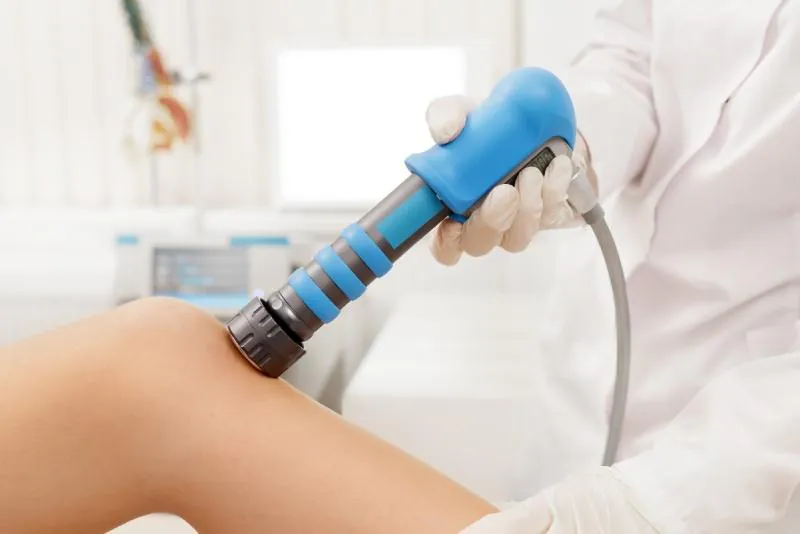
A shockwave therapy machine rental can look like the easy answer to a fall patient surge, but the cost analysis rarely supports it. Renting pays a premium for short-term access and leaves you empty-handed when demand stretches past the season. Leasing gives you the same immediate access, keeps your fall budget predictable, includes support, and lets you keep treating patients and earning, long after the surge.
Getting ready for your fall patient surge? Explore leasing options with Shockwave Source and add shockwave therapy without the high upfront cost.
Upgrade your practice
Bring the latest shockwave technology to your patients.
- Flexible leasing options
- Training included
- Equipment support